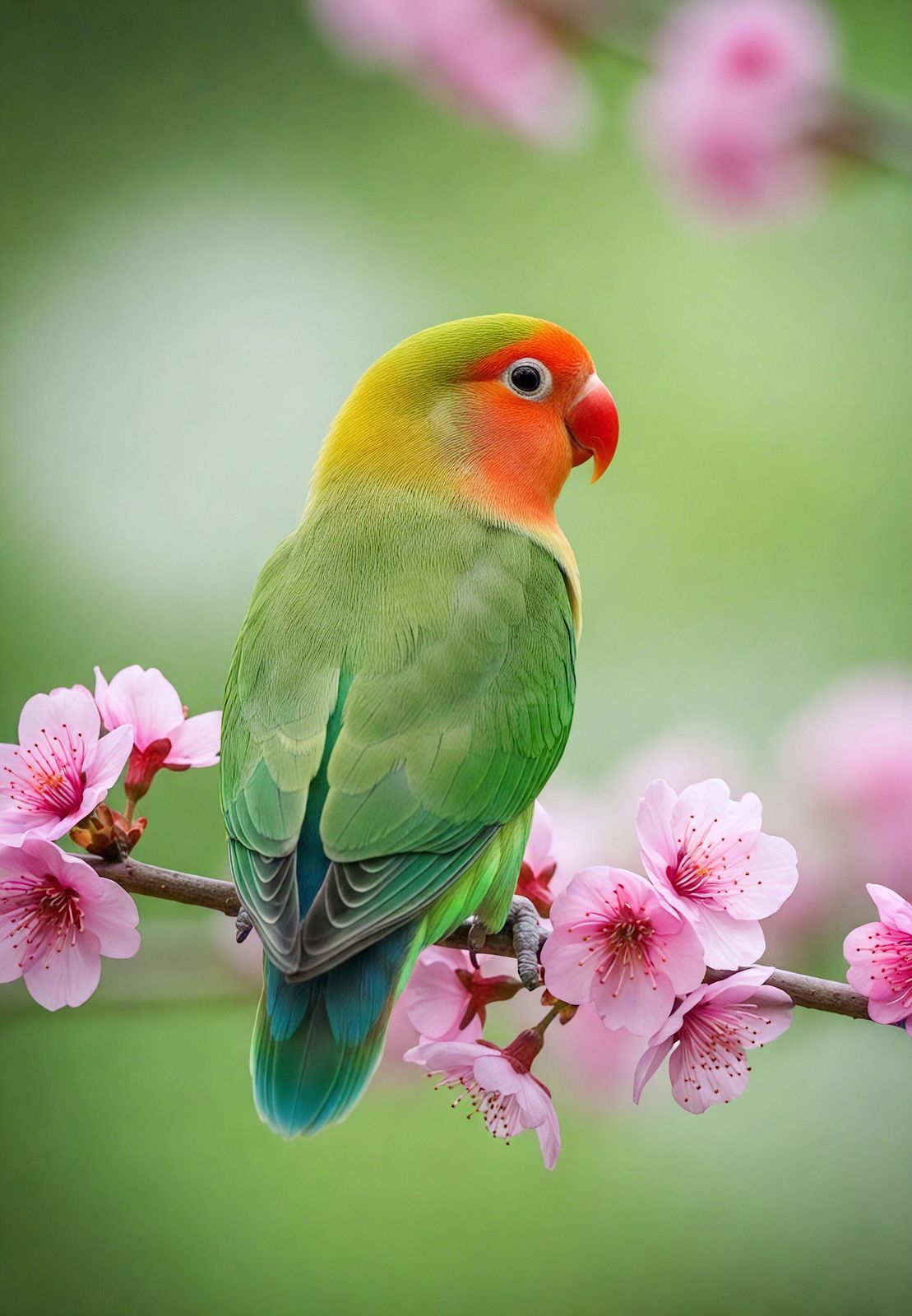
Lovebird Cage Buying Guide: Size, Bar Spacing and Setup
The right lovebird cage keeps a small, fast, curious parrot safe, active and happy. Here is what to check before you buy: size, bar spacing, materials and layout.
How big should a lovebird cage be?
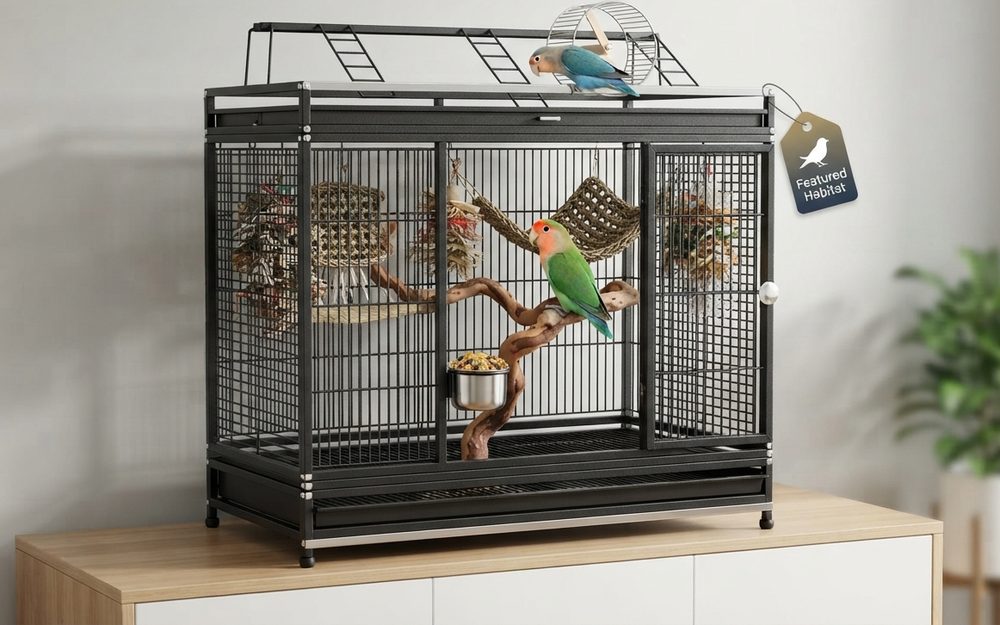
Bigger is better, and width matters more than height. Lovebirds climb, shuffle sideways and make short flights between perches, so a wide cage gives them far more usable space than a tall, narrow one.
A commonly recommended minimum for a single lovebird is roughly 20 × 20 × 20 inches (about 50 cm each way). Two birds need noticeably more room, and a wide flight-style cage of around 30 inches or more across is a comfortable choice for a pair.
Bar spacing and materials
- Bar spacing of about ½ inch (1.3 cm). Anything much wider than ⅝ inch risks a lovebird getting its head stuck or slipping out.
- Horizontal bars on at least two sides so your birds can climb the way they naturally do.
- Powder-coated or stainless-steel finishes. Lovebirds chew, so avoid cages with peeling paint, rust or flaking plating.
- A secure door latch. Lovebirds are clever and can work out simple catches, so look for a clip or lock they can’t flip open.
Features worth paying for
- A removable tray and grate for fast daily cleaning.
- A large front door so you can reach in and clean without a struggle.
- Feeder doors that let you swap food and water without opening the cage.
- A stand or play top if you want out-of-cage time close to home base.
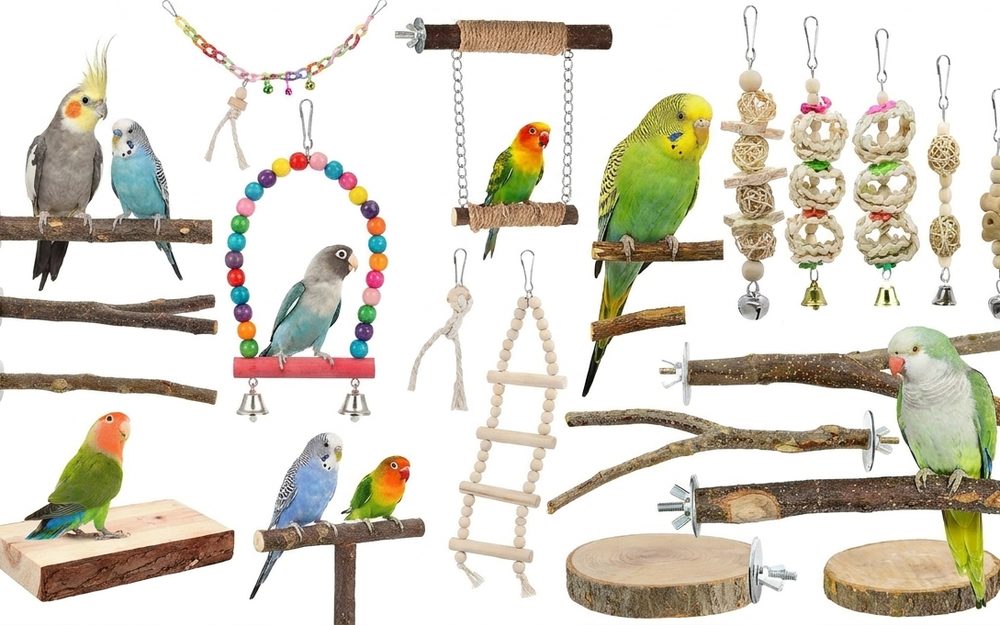
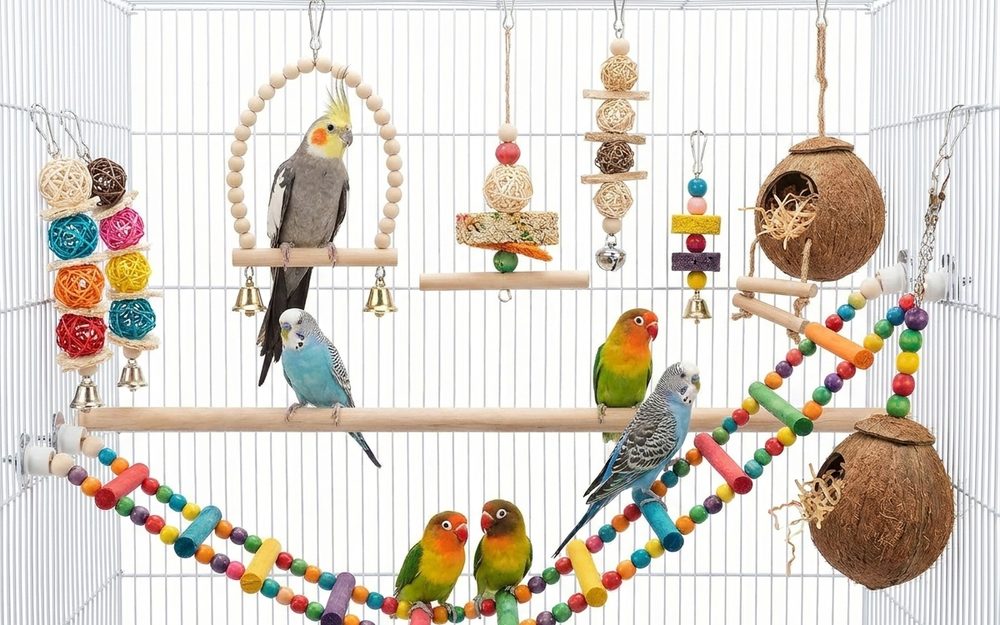
- Room for several perches of different diameters, plus space for toys.
Where to put the cage
- In a room where the family spends time, since lovebirds are social and hate being isolated.
- Away from the kitchen, where cooking fumes (especially from non-stick cookware) can be dangerous for birds.
- Out of drafts and direct all-day sun, with one side against a wall so the birds feel secure.
- At roughly chest height, which tends to feel less threatening to a bird than the floor or a high shelf.
One lovebird or a pair?
A single lovebird can be happy if you give it plenty of daily interaction. A bonded pair keeps each other company, but may be less interested in people. Either way, plan the cage for the birds you have now, and consider the extra room if you might add a second one later.
Shop your lovebird cage setup
These buttons open current options on Amazon, so you can compare sizes, bar spacing and prices.
Lovebird cage questions
What size cage does a pair of lovebirds need?
Look for a wide cage, roughly 30 inches or more across, with enough perches and feeding spots that both birds can sit apart when they want to. More room is always better.
What bar spacing is safe for lovebirds?
About ½ inch. Wider spacing can let a lovebird trap its head or escape.
Can I keep a lovebird in a travel cage?
Only for short trips and vet visits. A travel cage is too small to live in permanently.
Should I cover the cage at night?
Lovebirds need around 10–12 hours of dark, quiet sleep. A light, breathable cover can help, as long as air can still circulate.